
Why write about loving yourself when my work has focused for so many years on business, leadership, and Human Resources?
The answer is simple. After decades of working with people from every level of an organization, I have come to understand one fundamental truth: people do not leave their lives at the office door. Every employee, every leader, and every business owner brings their experiences, beliefs, fears, hopes, and emotional wounds into the workplace each day. Some have grown up feeling supported and encouraged. Others have experienced rejection, loss, trauma, or circumstances that no one should ever have to endure. Those experiences shape how we see ourselves, how we relate to others, and how we respond to life’s challenges.
When those wounds remain unhealed, they often show up in ways we don’t recognize. Some people develop an unhealthy sense of superiority or entitlement. Others believe they deserve poor treatment and remain silent because they fear losing their job or disappointing others. Some become controlling, defensive, or critical. Others withdraw completely. These patterns don’t begin in the workplace, but they certainly influence it.
Over the years, I have learned that creating healthy organizations begins with helping people become healthier within themselves.
Many people encourage us to forgive ourselves, let go of the past, forgive others, and move on. While those words sound simple, anyone who has carried guilt, shame, regret, or emotional pain knows that healing is rarely as easy as deciding to think differently. We often attach powerful emotions to painful memories, replaying them repeatedly until they become part of the story we tell ourselves about who we are.
I know this because I have lived it.
There were seasons in my own life when guilt, fear, anxiety, and regret felt heavier than hope. I found myself replaying conversations, questioning decisions, and wishing I could rewrite parts of my past. None of those thoughts changed what had happened. They only prolonged my suffering.
As I reflected on my own experiences, I began to understand that healing does not begin with perfection. It begins with compassion.
From a very young age, life presented challenges that shaped how I viewed myself and the world around me. Like many people, I developed ways of protecting myself from further hurt. Those protective walls may help us survive difficult seasons, but they can also prevent us from experiencing trust, connection, joy, and love. For many years, my guard remained firmly in place because it felt safer than allowing people to get close.
Over time, I discovered that real strength is not found in building higher walls. It is found in having the courage to gently lower them.
Whatever your story may be, I want you to know this: your past does not have to define your future. Regardless of what you have experienced, the mistakes you have made, or the opinions others hold about you, you remain worthy of dignity, compassion, and love.
Healing does not happen overnight. It asks us to be patient with ourselves. It asks us to choose courage over fear, forgiveness over bitterness, and hope over despair. Most importantly, it asks us to believe that change is possible.
I have met remarkable people from every walk of life. Some live in countries affected by conflict and uncertainty. Some have experienced profound personal loss. Others carry burdens that remain invisible to everyone around them. Their stories have reminded me that every person is fighting battles we may never fully understand. That realization has deepened both my compassion and my conviction that kindness matters.
It has also strengthened my resolve to challenge environments where fear, intimidation, bullying, discrimination, or the abuse of power are allowed to flourish. Whether these behaviors occur in our workplaces, our communities, or society more broadly, they diminish our shared humanity.
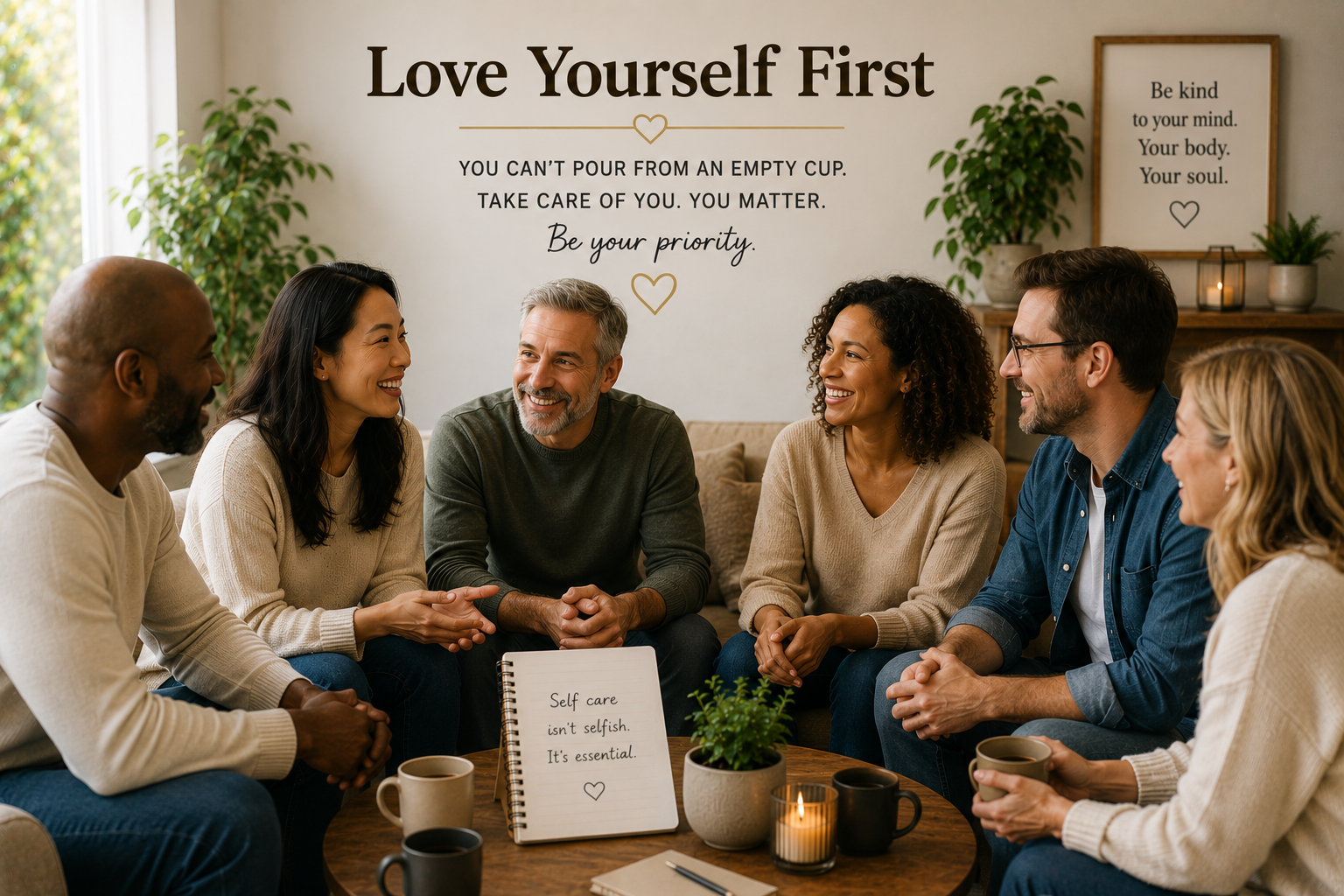
Loving yourself is not about becoming self-centered or believing you are better than anyone else. It is about recognizing your own inherent worth, extending yourself the same compassion you would offer someone you love, and choosing to live with greater authenticity and self-respect. When we learn to accept ourselves, we become more capable of extending understanding, empathy, and grace to others.
My mission has evolved over many years, but its heart has remained the same. I want to help create workplaces where people are treated fairly, leaders serve with integrity, and humanity is valued as highly as performance. I believe healthier people build healthier teams, healthier organizations, and ultimately, a healthier world.
That is why I believe loving yourself is not separate from building a better business, it is where it begins.